Deck the Halls and Not Your Family Embroidery Review
As an embroidery designer who spends half my life troubleshooting stitch errors and the other half brainstorming unique concepts for clients, I approach every new design file with a mix of excitement and skepticism. We have all seen it: a digital graphic that looks charming on a screen but turns into a tangled mess of thread once it hits the hoop. This is why I take the time to evaluate designs like Deck the Halls and Not Your Family before committing them to fabric. It is not just about whether the machine can read the file; it is about whether the design holds up under the scrutiny of a real-world project.
The First Impression: Mood and Visual Personality
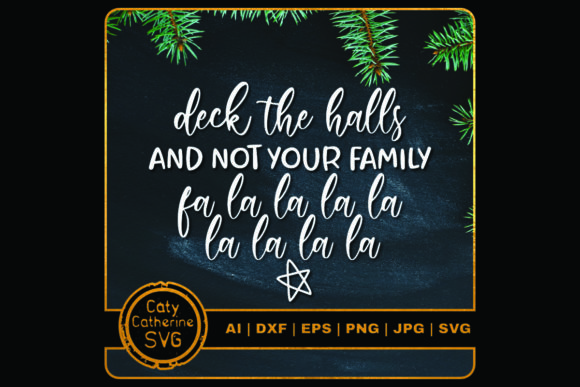
When you first load Deck the Halls and Not Your Family, the immediate takeaway is its attitude. In a market saturated with traditional holly, reindeer, and polite seasonal greetings, this design brings a punch of humor that resonates deeply with modern crafters and gift-givers. The phrase itself is relatable, tapping into that universal holiday sentiment where family gatherings test our patience. For a handmade product, this emotional connection is gold. It transforms a simple embroidered item from a generic decoration into a conversation starter.
Visually, the layout feels balanced. The typography likely dominates the space, which is crucial for readability in embroidery. Unlike complex pictorial designs that require intricate shading and fine detail work, text-based machine embroidery design files rely heavily on font choice and spacing. This design appears to prioritize legibility, ensuring that the punchline lands clearly even when stitched onto curved surfaces or textured fabrics. The mood is festive yet irreverent, making it perfect for those who want to celebrate the season without taking themselves too seriously.
Real-World Application: Where This Design Shines
I recently considered using Deck the Halls and Not Your Family for a batch of custom holiday gifts for friends and potential Etsy listings. Here is how I envision it performing in specific scenarios:
- Sweatshirt Embroidery: This is perhaps the ideal canvas. A cozy, oversized sweatshirt provides a flat, stable surface that allows the design to sit prominently on the chest or back. The humorous quote pairs perfectly with casual winter wear, creating a custom apparel piece that customers will actually want to wear around the house during the holidays.
- Tote Bag Design: Canvas tote bags are a staple for craft business owners. Stitching this design on a sturdy cotton canvas creates a durable handmade product that doubles as a shopping bag or a gift carrier. The bold nature of the text ensures it stands out against the natural or colored fabric.
- Kitchen Towels and Aprons: For the hostess who appreciates a laugh, embroidering this on a linen tea towel or a heavy-duty apron adds a personal touch. It fits the holiday embroidery niche beautifully, offering a practical gift that gets used long after the decorations are put away.
- Baby Embroidery: While the language might be slightly edgy for some tastes, many modern parents enjoy subtle humor. On a onesie or burp cloth, it could serve as a funny keepsake for "aunties" or godparents to give, positioning it as a unique personalized gift.
In each of these cases, the design elevates the perceived value of the item. Customers are willing to pay more for items that show personality. A plain white mug is nice; a mug with Deck the Halls and Not Your Family stitched on it is a memorable gift. This distinction is vital for Etsy sellers and small shop owners looking to stand out in a crowded marketplace.
Technical Considerations and Potential Pitfalls
However, no design is without its challenges. As a reviewer, I must point out where Deck the Halls and Not Your Family requires careful handling. Embroidery is a physical process, and digital perfection does not always translate to stitched perfection.
First, consider the stitch density. If the lettering is dense, it may become stiff and uncomfortable on wearable items like t-shirts or baby clothes. You need to ensure the backing stabilizer matches the weight of the fabric. For stretchy knits, such as those found in sweatshirts or caps, insufficient stabilization can lead to puckering, which distorts the text and ruins the professional look of the finished product.
Another area of concern is the hoop size. If the design is large, you may be limited to fewer garment types that fit comfortably in your machine’s hoop. Conversely, if you attempt to scale it down for smaller items like hats or patches, you risk losing detail. Tiny serifs or decorative elements might disappear or merge together, turning crisp letters into blurry blobs. Always inspect small details closely before committing to a production run.
Fabric texture also plays a significant role. On highly textured fabrics like fleece or boucle, the needle penetration can be inconsistent, leading to skipped stitches. Similarly, on dark fabrics, you must choose thread colors with high contrast. If the design relies on subtle shading or light threads, it may get lost against a black background. Testing on scrap fabric is non-negotiable here.
Specific Fabric and Surface Warnings
There are certain surfaces where this design should be used with caution. Avoid placing it on thin, sheer fabrics unless heavily stabilized, as the weight of the thread may cause tearing. Curved surfaces, such as baseball caps, present a challenge for wide text designs; the perspective distortion can make the message harder to read. Additionally, be mindful of dense stitch areas if the design includes large fill blocks, as these can create a thick, cardboard-like feel that detracts from the comfort of the item.
Design Assets and Commercial Viability
For those selling this as a digital embroidery file or using it to create commercial embroidery products, the versatility of Deck the Halls and Not Your Family is a strong asset. It fits seamlessly into the broader category of Graphics and Crafts, appealing to a wide demographic. Whether you are creating printable mockups for marketing or producing physical goods, the design’s clear theme makes it easy to market.
It is important to remember that while the visual appeal drives sales, the technical execution builds trust. A poorly stitched logo or text can make a brand look amateurish. By testing this design thoroughly—checking for applique design requirements if applicable, verifying satin stitch quality, and ensuring proper running stitch transitions—you protect your reputation. Customers expect consistency, especially when buying boutique branding items.
Final Verdict for the Embroidery Designer
Ultimately, Deck the Halls and Not Your Family is a fun, engaging design that offers great potential for holiday-themed projects. It succeeds because it connects emotionally with the user through humor, a trait that is increasingly valued in the small shop product space. However, success depends entirely on your preparation.
Before you start stitching, review the file structure. Confirm the licensing terms if you plan to sell finished items. Test the design on your actual production fabric, not just your best scraps. Check the stabilizer choice and adjust tension if necessary. By treating this design with the same respect you would any major client project, you ensure that the final output is both visually striking and technically sound. For the right maker, this is a winning addition to their library of embroidery project assets.