Don't Wish for It, Work for It: A Real-World Embroidery Design Review
As an experienced embroidery designer and product reviewer, I've had the chance to work with countless digital embroidery files. When I first saw Don't Wish for It, Work for It, I knew it was one of those motivational SVGs that could easily find its place in a variety of projects. The design’s bold message and visual structure immediately caught my attention—not just as a creative, but as someone who values practicality in every stitch.
First Impressions: Mood and Visual Personality
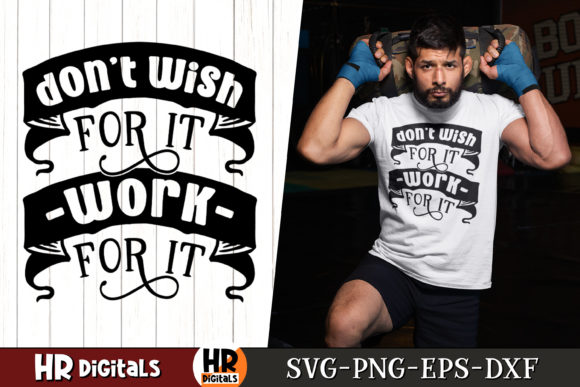
The phrase “Don’t wish for it, work for it” is more than just text; it carries a powerful sentiment that resonates with fitness enthusiasts, goal-driven individuals, and anyone who appreciates hard work. The layout of the design is clean and modern, with a strong emphasis on typography. The font style feels purposeful—neither too playful nor overly serious, which makes it versatile enough for multiple applications.
I particularly like how the design balances negative space and positive elements. It doesn’t feel cluttered, yet there's enough detail in the lettering to give it character. This kind of balance is essential for machine embroidery, especially when considering fabric texture and stitch density. The overall mood is uplifting and assertive, making it ideal for custom apparel or handmade products that aim to inspire.
Where This Design Shines
- Custom Apparel: Whether it's a sweatshirt or a t-shirt, this design adds a layer of motivation without overwhelming the garment. Its simplicity works well with both minimalist and bold styles.
- Tote Bag Design: On a canvas tote bag, the quote becomes a statement piece. It looks great in satin stitch around the edges and can be paired with other applique designs for a cohesive look.
- Sweatshirt Embroidery: The phrase has a natural home on oversized hoodies or athletic wear. It fits well in central placement or along the back panel, depending on the size of the hoop you're using.
- Embroidered Patch: As a patch design, it’s adaptable and easy to apply. Just make sure to test the stitch density before sending it off for mass production.
- Boutique Branding: For small shop owners looking to create branded items, this design brings a sense of professionalism and purpose that aligns with a fitness or lifestyle brand.
It also shows promise in holiday gifts, personalized baby items, and even nursery decor. While it might not scream "holiday cheer," the message can be adapted into seasonal color palettes or layered with subtle holiday accents to enhance giftability.
Real-Life Use Case: Creating a Custom Workout Tote Bag
Let’s say you're an Etsy seller preparing a new line of custom workout totes. You want something that speaks to your target audience—gym goers, fitness lovers, and people who value discipline. You choose Don’t Wish for It, Work for It for its clear message and aesthetic appeal.
When stitching it onto a cotton-linen blend tote, the design holds up well. The letters are crisp, and the fill stitches don’t bleed into each other. However, if the fabric is textured or woven loosely, you may need to adjust stitch density or add stabilizer underneath. I always recommend testing the design on scrap fabric before finalizing any order.
Once stitched, the design reads clearly from a distance, which is important for visibility in photos and in-store displays. Customers love the idea of carrying a meaningful message with them, and this design adds a touch of personality to what would otherwise be a plain tote.
Design Considerations for Different Products
While Don’t Wish for It, Work for It is a strong design, it’s not a one-size-fits-all solution. Here are some scenarios where it works best and where you should proceed with caution:
- Small Hoop Sizes: The wording is fairly compact, but if you're working with very tight spaces, consider resizing or simplifying the design to avoid distortion.
- Textured Fabrics: Think about denim or burlap. These fabrics can cause the fill stitches to pucker or lose definition. A proper stabilizer and careful thread tension can help mitigate this.
- Stretchy Materials: If you plan to use this on spandex or stretchy gym shirts, hoop securely and consider using a backing stabilizer to prevent the design from warping during stitching.
- Dark Fabric Backgrounds: The design uses white thread by default, which can be tricky on darker bases. Always check thread contrast and consider using a light-colored stabilizer to ensure visibility.
- Curved Surfaces: Embroidering this on a cap or curved hat? Be prepared to manually adjust the design or split it into segments. The corners and straight lines might not conform smoothly without tweaking.
- Frequent Washing: If the item will be washed often (like workout clothes), confirm the design’s stitch durability. Dense areas may require reinforcement or different thread types for longevity.
Impact on Product Value and Customer Engagement
Motivational phrases like this have a unique ability to connect emotionally with customers. In my experience, they tend to resonate more than generic graphics. When applied correctly, Don’t Wish for It, Work for It elevates the visual appeal of any project and reinforces the idea of effort and achievement.
From a business perspective, this design can boost customer trust and engagement. People buy into the message behind the product as much as the product itself. For handmade shop owners or crafters selling personalized gifts, it offers a ready-made conversation starter. And for Etsy sellers or digital product creators, it's a solid asset that can be repurposed across multiple listings.
Handmade Presentation and Brand Consistency
One thing I’ve noticed is that the quality of the embroidery file directly affects the finished product. With this design, the layout supports a polished finish, especially when using high-quality threads and proper stabilizers. It helps maintain brand consistency if you're building a line of motivational gear or merchandise.
For boutique owners and small shop product developers, having a design that can be used consistently across tote bags, aprons, and sweatshirts is a big plus. Just remember to review the stitch count and file format details if available. If they’re not provided, double-check everything before committing to a large batch.
Designer Notes: Practical Tips for Using This File
Here are some tips I’ve picked up over the years when working with similar SVGs and embroidery files:
- Test First: Always run a sample stitch on scrap fabric. It gives you a better idea of how the design interacts with your machine and materials.
- Thread Color Contrast: Make sure the colors you choose stand out against the fabric. Light thread on dark fabric can be difficult to see unless you reinforce it properly.
- Stitch Density: Adjust based on fabric weight. Too loose, and the design may appear flat or uneven; too tight, and it risks puckering or breaking the fabric.
- Check Hoop Size: Confirm whether the design fits within your intended hoop dimensions. Some machines have limitations, so knowing this ahead of time saves time and material.
- Inspect Small Details: Look closely at the corners and curves. Tiny details can get lost in translation, especially when scaling down for smaller items like patches or baby clothes.
- Black and White Mockups: Before finalizing thread colors, test the design in grayscale. This helps visualize how it will look in low-light conditions or on different fabric tones.
- Use Proper Stabilizer: Especially important for lightweight or stretchy materials. A tear-away or cut-away stabilizer can make all the difference in stitch clarity and durability.
- Licensing Check: If you're planning to sell the finished product or digital embroidery file, verify the licensing terms. Not all free SVGs are suitable for commercial use.
Final Thoughts for Crafters and Business Owners
In the world of crafts and graphics, a good embroidery design is more than just pretty—it needs to perform. Don’t Wish for It, Work for It passes the initial test with flying colors. It's visually appealing, thematically relevant, and adaptable across a range of products. But like any design, it requires thoughtful application and preparation to reach its full potential.
Whether you're creating personalized gifts, running a craft business, or designing for a small shop, this design can be a valuable addition to your collection—if used wisely. Keep in mind the fabric type, placement, and customer expectations. A little planning goes a long way in ensuring your embroidery project turns into a finished product that customers will appreciate and return for again.