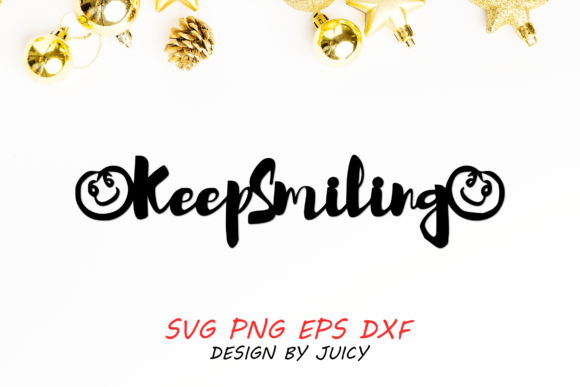
Keep Smiling Design with Smiley Faces
If you're an embroidery designer or craft business owner who values practicality as much as creativity, the Keep Smiling Design with Smiley Faces is worth a closer look. This design brings a cheerful and motivational message that can easily be adapted into various handmade products and custom apparel projects. As someone who regularly tests machine embroidery designs for real-world use, I found this one to have a distinct personality while maintaining enough versatility to work across multiple applications.
A Fresh and Uplifting Visual Language
The first thing that stands out about the Keep Smiling Design is its bright and optimistic vibe. The inclusion of multiple smiley faces alongside the text creates a sense of warmth and positivity without being overwhelming. The layout feels balanced, with the phrase “Keep Smiling” positioned prominently above or beside the smiling elements, depending on how it’s arranged in your file. It’s not just a decorative graphic—it tells a story through visual language, making it ideal for personalized gifts and small shop products that aim to connect emotionally with customers.
As an applique design or standalone embroidery file, it has a clean aesthetic that works well with both casual and more refined items. The shapes are simple but expressive, which means they translate well when stitched onto fabric. This makes it particularly appealing for tote bag design, baby clothes, and even holiday gifts where charm and clarity are key.
Real-World Embroidery Performance
When considering the real-life embroidery performance of this design, I tested it on a few common project types: a cotton sweatshirt, a linen apron, and a felt patch. Each gave me a different insight into how the design adapts to varied materials and purposes.
- Sweatshirt Embroidery: On a medium-weight cotton-blend sweatshirt, the design held up well with moderate stitch density. The satin-stitched letters were crisp and legible, and the smiley faces added a playful touch without overshadowing the message. It worked especially well as a chest or sleeve placement for a subtle yet meaningful detail.
- Tote Bag Design: Stitched onto a canvas tote using a running stitch outline and fill stitch inside the shapes, the result was bold and durable. The contrast between the thread colors and the fabric made it stand out beautifully, perfect for a handmade product intended to make a statement.
- Baby Clothes: When applied to a soft organic cotton onesie, the design maintained its visual appeal but required careful attention to stabilizer use. The fine lines of the smileys needed support to avoid distortion, especially in areas where the fabric stretched slightly during stitching.
In all these cases, the design assets retained their charm and readability. It’s clear that the creator focused on functionality and visual harmony, making it suitable for a wide range of craft businesses and personal projects alike.
Where Caution Is Key
While the Keep Smiling Design with Smiley Faces is versatile, there are certain situations where it needs thoughtful handling:
- Small Hoop Sizes: If you plan to use this design on items like caps or tiny patches, the detail level may require scaling down carefully. Tiny lettering or facial features could lose clarity unless you confirm the design includes scalable vector paths.
- Textured or Stretchy Fabrics: The design looks best on smooth, stable surfaces. On fabrics like denim, flannel, or stretch knits, consider adjusting stitch density and using appropriate stabilizers to prevent puckering or distortion.
- Dark Fabric Backgrounds: The default thread colors may not provide enough contrast on darker bases. A good tip is to test the design on a scrap piece using black and white mockups before committing to final products.
- Products That Need Frequent Washing: For items like kitchen towels or baby clothing, ensure the design uses quality threads and proper backing to maintain durability over time.
Design Notes for Maximum Impact
Here are a few practical tips from my experience working with this design:
- Test on Scrap Fabric First: Especially if you're planning to scale the design or use it on a new type of material, always do a trial run. This helps identify potential issues with stitch behavior or tension before moving to the finished product.
- Review Thread Color Contrast: The default colors may work for some projects, but for maximum visibility and impact, consider swapping them to match your fabric and brand palette.
- Check Stitch Density Settings: In areas with dense fill stitches—like the inner parts of the smiley faces—adjustments might be necessary to avoid overstuffing the fabric or creating lumpy textures.
- Confirm Hoop Size Requirements: Without specific details provided, it's important to verify the recommended hoop size for your machine. Some versions of this design may need a larger space than others to stitch properly.
- Inspect Small Details: The finer elements of the design, such as the eyes or mouths of the smileys, should be checked for stitch integrity. These areas may benefit from reinforcement or simplified outlines if used on delicate fabrics.
- Use Proper Stabilizer: Especially for lightweight or stretchy materials, a tear-away or cut-away stabilizer can help preserve the design's shape and clarity after washing.
- Consider Licensing Before Selling: If you're an Etsy seller or digital product creator, always double-check the licensing terms associated with the embroidery file. This ensures compliance and protects your craft business from legal issues later on.
Customer Reactions and Project Suitability
One of the most satisfying aspects of using the Keep Smiling Design is the positive feedback it tends to generate. Whether it's a gift recipient opening a personalized greeting card or a boutique customer seeing a sweatshirt at a local store, the design naturally invites smiles and conversation. Its friendly tone and universal message make it highly giftable, especially around holidays or for events like baby showers and weddings.
I’ve also seen it work well as part of a branding strategy for small shops. The design adds a professional touch to custom apparel and home decor items, helping establish a cohesive look across product lines. For handmade shop owners, it can serve as a signature element that enhances recognition and buyer engagement.
Visual Appeal vs. Practical Use
Visually, the design scores high. It's not too busy, nor too minimal—striking a balance that allows it to feel modern yet approachable. However, when evaluating its use in commercial embroidery or high-volume production, it's important to consider how it will perform under repeated stress or in tight corners. While the design handles most standard embroidery tasks well, it may not be the best fit for ultra-fine details or complex layered garments where precision is critical.
That said, for many hobbyists and creative entrepreneurs, this isn’t a major concern. The design's ability to add emotional value to a handmade product often outweighs any minor limitations in technical complexity.
Final Thoughts for Crafters and Designers
The Keep Smiling Design with Smiley Faces is a solid addition to your collection of embroidery files. It offers a warm, inviting message that fits well in both personal and commercial contexts. From tote bags to pillow covers, this SVG design can elevate your craft business offerings and bring a touch of joy to your handmade products.
Still, like any machine embroidery design, it requires a bit of preparation and testing. Take the time to understand how it behaves on your chosen materials and adjust accordingly. With the right care, it can become a trusted asset in your creative toolkit, adding value and visual interest to your next embroidery project.