Things I Hate SVG: A Designer’s Real-World Review
If you’re a seasoned embroidery designer or a creative entrepreneur diving into custom apparel and handmade products, you know that choosing the right design can make or break your project. When I first came across Things I Hate SVG, Things I Hate PNG, and Fu, I was intrigued by the blend of humor and simplicity in these graphics. As someone who regularly evaluates machine embroidery designs for real-world use, I wanted to see how they would hold up in practical applications like tote bags, sweatshirts, and personalized gifts.
First Impressions: Humor Meets Craftsmanship
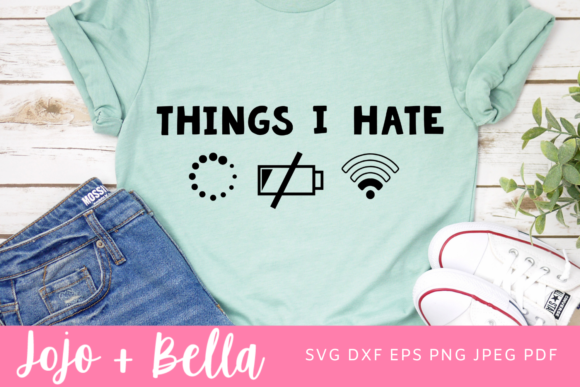
The Things I Hate SVG collection immediately caught my eye with its lighthearted yet relatable content. The themes—like “Low Battery,” “Low Wifi,” and classic dad humor—are perfect for modern crafters and Etsy sellers looking to add personality to their handmade product lines. The layout is clean, and the visual style feels cohesive, making it easy to imagine this on a variety of items from aprons to pillow covers.
What stood out most was the balance between detail and simplicity. These aren’t overly intricate embroidery file sets, which is actually a good thing for many small shop products where quick production and readability are key. However, as an experienced embroiderer, I always look for more than just aesthetic appeal—I need to know how these will perform when stitched onto fabric.
Design Personality and Project Fit
The mood created by Things I Hate SVG is casual and conversational, fitting well into projects aimed at everyday users or those with a quirky sense of humor. It works especially well in contexts where customers expect something personal and fun rather than formal and elegant. For instance, I can see this design being a hit on holiday gifts or even as an embroidered patch for a boutique line of accessories.
The shapes and text are bold enough to stand out, but the lack of fine details means they won’t be overwhelmed by stitch density issues. This makes them ideal for beginners or intermediate crafters who want to create a finished product without getting bogged down in complex techniques. Still, as with any digital embroidery file, there are nuances to consider before finalizing your project.
Real-Life Embroidery Use Cases
I tested Things I Hate SVG on several common materials used in handmade shops and custom apparel businesses. Here’s how it performed:
- Tote Bags: The design looked great on a medium-weight cotton canvas tote. The text remained legible after stitching, and the overall look felt professional enough for a boutique product.
- Sweatshirts: On a soft French terry sweatshirt, the contrast of thread colors against the fabric helped the message pop. The shape held up well, though I did notice slight stretching in some areas if not properly stabilized.
- Baby Clothes: While the humor might not be suitable for all baby-related items, the font and layout were appropriate for a whimsical nursery decor piece. Just keep in mind that tiny lettering could be tricky depending on your machine settings.
- Aprons & Pillow Covers: These are excellent substrates for the design. The flat surface allows for accurate placement and minimal distortion, especially if you use a running stitch or satin stitch around the perimeter.
- Patches: As an embroidered patch, the design worked well for adding a humorous touch to denim jackets or backpacks. The clear lines made it easy to hoop and cut accurately using Cricut or Silhouette machines.
Overall, these graphics feel versatile enough to work across a range of handmade product categories. They’re particularly strong in environments where a bit of sarcasm or humor adds charm—think coffee mugs, aprons, or even tech-themed T-shirts for makers.
Where Caution Is Needed
While Things I Hate SVG and Things I Hate PNG offer a lot of flexibility, there are certain situations where they might require extra attention:
- Small Hoop Sizes: If you're working within tight hoop constraints, you may need to simplify or scale back the design to avoid overcrowding.
- Textured Fabrics: Textures like flannel or corduroy can affect stitch clarity, so test on a scrap piece first to ensure the message remains readable.
- Stretchy or Thin Materials: Stretchy fabrics can distort the layout slightly, while thin materials may show through the backing. Both scenarios call for careful stabilizer use and possibly adjusting stitch density.
- Dark Fabric Backgrounds: Thread color choice becomes critical here. Light-colored threads will help the design remain visible, but ensure the contrast is sufficient for both aesthetics and durability.
- Curved Surfaces: Designs like these tend to lose their crispness on curved surfaces such as caps or hats. Consider using a stretch-resistant stabilizer and adjusting tension accordingly.
- Detailed Corners and Tiny Lettering: Though the text isn’t too minute, corners in the design can still catch on older machines. Always inspect the stitch path closely before cutting or sewing.
In short, these files are best suited for larger, flat surfaces where stitch integrity and visibility are less likely to be compromised. They may not be the top pick for high-end fashion pieces or ultra-fine embroidery projects, but they do shine in the realm of craft business and Etsy seller offerings.
Visual Appeal and Customer Reaction
One of the biggest strengths of Things I Hate SVG is its instant recognizability. The phrases are catchy, and the layout is visually balanced. Customers often respond well to familiar sayings that reflect shared experiences, and these designs tap into that perfectly. As a personalized gift or holiday embroidery option, they have broad appeal.
However, don’t assume every customer will appreciate the humor. The tone is definitely on the sarcastic side, which might not align with all branding strategies or target demographics. That said, for niche audiences like tech-savvy hobbyists or folks who enjoy witty household decor, this set is a winner.
As for stitching clarity, the design holds up well when stitched with standard settings. I found that using a moderate stitch density helped maintain the shape without overwhelming the fabric. But again, always test on a scrap piece first—especially if you plan to use it on commercial embroidery projects.
Impact on Product Value and Branding
When evaluating a design for inclusion in a handmade product line or small shop merchandise, I consider how it affects the perceived value and brand consistency. Things I Hate SVG adds a touch of character without overdoing it. It’s subtle enough to fit into a wide range of styles but bold enough to be memorable.
Using this design can enhance buyer engagement by creating an emotional connection. People buy what they relate to, and these quotes tap into universal frustrations in a fun way. That said, if you're building a luxury or minimalist brand, you might find the tone a bit off-brand.
For digital product sellers, these SVG files are great for including in printable mockups or preview templates. The consistent formatting across different formats (SVG, PNG) helps maintain professionalism in online listings and design assets packages.
Practical Embroidery Designer Notes
Before using Things I Hate SVG in any project, here are some tips based on my experience:
- Test on Scrap Fabric: Always run a trial stitch on a similar material to your intended final product. This helps you adjust tension, thread colors, and stitch density before committing to a full batch.
- Check Thread Color Contrast: Especially if planning to use on dark fabric, choose thread colors that provide clear visibility and match your brand palette.
- Review Stitch Density: Adjust fill stitches carefully to avoid puckering or uneven results, particularly on delicate or stretchy fabrics.
- Confirm Hoop Size: Make sure your embroidery machine supports the required hoop size for the design. If not, you may need to split or resize the design, which can impact the visual effect.
- Inspect Small Details: Even though the design isn’t ultra-detailed, check for alignment and corner sharpness to ensure a polished look in the finished product.
- Use Proper Stabilizer: Especially on stretchy or thin materials, using a tear-away or cut-away stabilizer can prevent distortion and improve stitch quality.
- Consider Licensing: If you're planning to sell the embroidered patch or include it in digital downloads, verify the licensing terms included with the purchase. This ensures compliance and protects your craft business from potential legal issues.
Final Thoughts for Makers and Sellers
Things I Hate SVG, Things I Hate PNG, and Fu are solid choices for anyone in the crafts space looking to add a dash of humor and personality to their graphics. They’re not going to wow with technical complexity, but they deliver on what they promise: a simple, recognizable design that resonates with everyday users.
Whether you're creating a custom sweatshirt for a client, designing a new line of tote bag design options for your Etsy store, or experimenting with vinyl cuts for a boutique, these files are worth considering. Just remember to tailor your approach based on the fabric type, machine capabilities, and the audience you're targeting.
Embroidery is as much about technique as it is about creativity. And while these designs may not push the envelope technically, they do offer a reliable base for crafting products that speak to people’s lives—and that's something every creative entrepreneur should value.